Introduction
Navigating the complex world of business can be quite a challenge, especially when it license and permit bonds comes to understanding the regulations that govern various industries. This article aims to shed light on The Top Industries That Require Licenses and Bonds. These requirements aren't merely bureaucratic hurdles; they serve as essential safeguards for consumers, ensuring that businesses operate within legal frameworks while maintaining standards of professionalism and trust.
In many sectors, being licensed, bonded, and insured isn't just a good idea—it's a necessity. As we delve into this topic, expect to uncover valuable insights about the significance of licenses and bonds in multiple industries. Each section will explore different sectors, illustrating why these requirements are critical for both business operators and the public.
The Top Industries That Require Licenses and Bonds
When we talk about industries that require licenses and bonds, several specific fields come to mind. Below is a closer look at some of these sectors.
1. Construction Industry
Why Licensing is Crucial in Construction
The construction industry is often regarded as one of the most regulated sectors due to its inherent risks. Contractors must obtain various licenses based on their specialty—be it electrical work, plumbing, or general contracting.
- Safety Regulations: Compliance with safety standards protects not only workers but also clients. Quality Assurance: Licensed contractors are usually better trained and vetted.
Types of Bonds in Construction
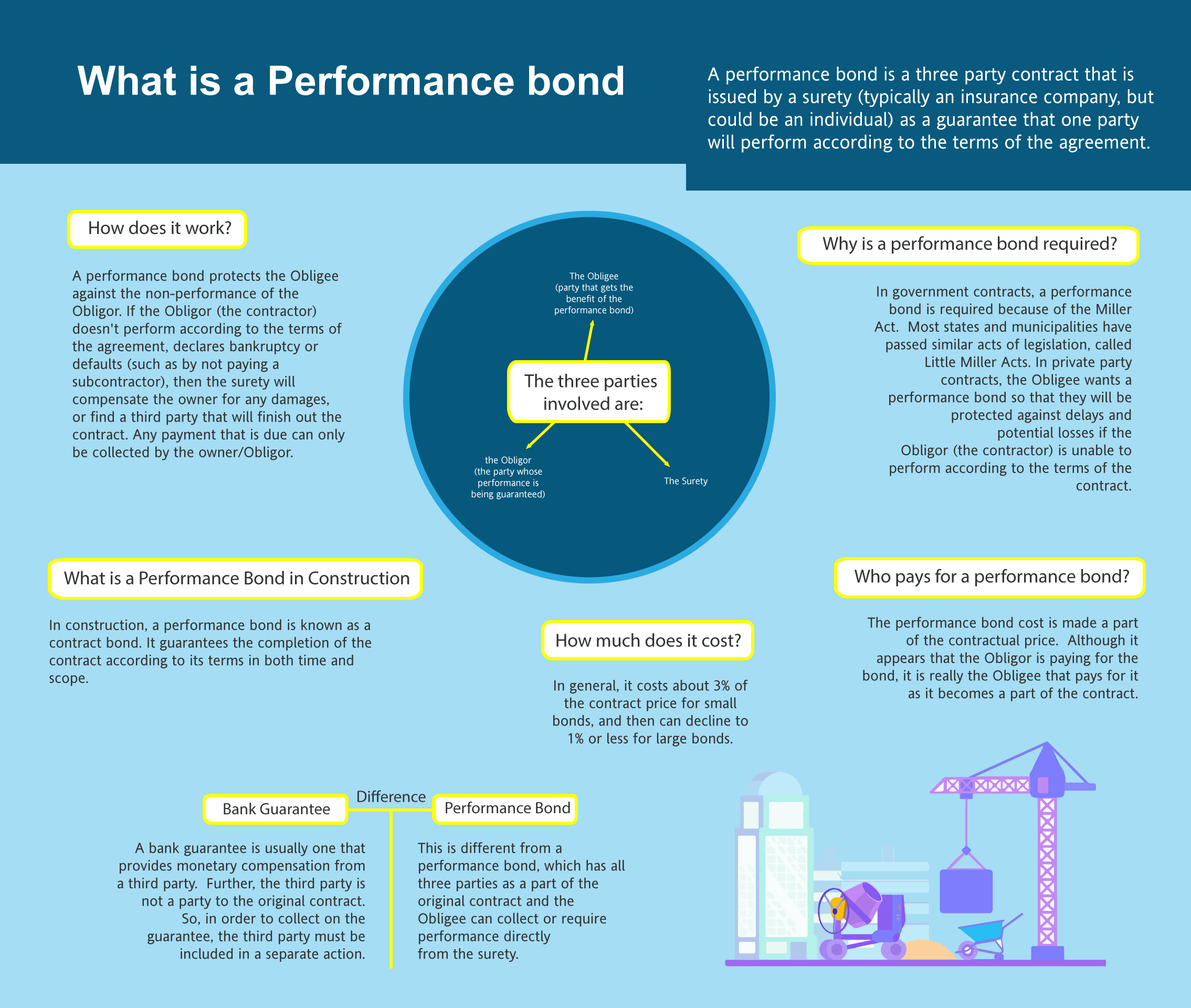
Contractors often need performance bonds to ensure project completion within agreed timelines and budgets.
- Performance Bonds: Guarantees that the contractor will fulfill their obligations. Payment Bonds: Ensures that subcontractors and suppliers get paid.
2. Healthcare Industry
Importance of Licensing in Healthcare
Healthcare providers cannot practice without proper licensing. This ensures that practitioners meet educational requirements and adhere to ethical standards.
- Patient Safety: Licensed medical professionals are less likely to put patients at risk. Public Trust: Licensing fosters trust between patients and healthcare providers.
Insurance Needs in Healthcare
In addition to licenses, healthcare professionals must carry malpractice insurance to protect against claims of negligence.
- Malpractice Insurance: Covers legal costs if a patient files a lawsuit.
3. Real Estate Industry
Licensing Requirements for Real Estate Agents
Real estate agents must be licensed by state authorities, which helps maintain ethical practices within the industry.
- Educational Requirements: Prospective agents typically must complete courses covering real estate laws.
The Role of Bonds
In some states, real estate agents are required to have surety bonds which act as financial guarantees for clients.
- Surety Bonds: Ensure agents operate honestly and ethically.
4. Transportation Industry
The Necessity of Licensing in Transportation
Drivers operating commercial vehicles must hold specific licenses (like CDL) depending on the vehicle type they operate.
- Regulatory Compliance: Ensures drivers meet health and safety standards.
Bonding Requirements
Transportation companies often need liability insurance to cover accidents or damages during transit.
5. Financial Services
Importance of Licensing in Finance
Finance-related professions such as financial advisors or brokers must be licensed by regulatory bodies like FINRA or SEC.
- Consumer Protection: Licensing ensures financial advisors adhere to fiduciary duties.
The Role of Fidelity Bonds
Many financial institutions require fidelity bonds that protect against employee dishonesty or fraud.
6. Security Services
Licensing Needs for Security Firms
Security personnel must meet specific training criteria and obtain licenses before providing services.
- Background Checks: Ensures public safety by vetting employees thoroughly.
Importance of Liability Insurance
Security firms should also carry liability insurance to safeguard against potential lawsuits arising from their services.
FAQs About Licenses and Bonds
1. What does it mean for a business to be "licensed bonded insured"?
Being "licensed bonded insured" means that a business has met all legal requirements necessary to operate within its industry (license), has secured bonds offering certain protections (bonded), and holds insurance coverage protecting against liabilities (insured).
2. Why are licenses important for businesses?
Licenses are crucial because they ensure compliance with local laws, protect public interests, enhance consumer confidence, and uphold industry standards.
3. How do I know what type of license my business needs?
Typically, you can consult your local government’s website or contact regulatory agencies specific to your industry for accurate information about necessary licenses.
4. What types of bonds might my business need?
The types of bonds required depend on your industry but may include performance bonds, payment bonds, bid bonds, or fidelity bonds among others.
5. Are there penalties for operating without a license or bond?
Yes, operating without appropriate licensing or bonding can result license and permit bonds FAQ in fines, legal actions, damage to reputation, or even closure of your business operations.
6. Can I operate my business while waiting for my license?
Generally speaking, no; operating without the required licenses can lead to legal repercussions unless otherwise specified by local regulations allowing provisional operation during application review periods.
Conclusion
In conclusion, understanding the intricacies surrounding licensing and bonding is essential for anyone looking to thrive in their respective industries. The necessity of being licensed bonded insured cannot be overstated; it provides security not just for your business but also instills confidence among consumers who rely on your services every day.
As we've explored throughout this article on The Top Industries That Require Licenses and Bonds, each sector comes with its own unique set of requirements vital for maintaining professionalism while safeguarding public interests. By staying informed about these regulations—and adhering strictly to them—you lay down a solid foundation not only for operational success but also for long-term sustainability in an ever-evolving marketplace.
This article encapsulates an extensive overview on The Top Industries That Require Licenses and Bonds, making sure you’re well-equipped with information needed in today’s regulatory landscape!